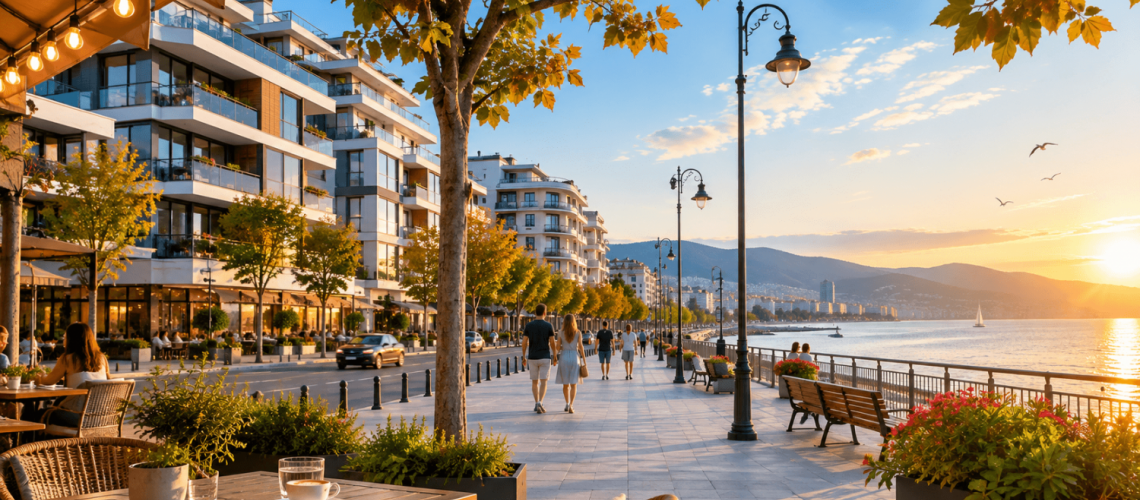
Most seaside resort areas along Bulgaria's Black Sea coast turn into quiet ghost towns between October and May: grocery stores close, pharmacy working hours shrink, public transport schedules are reduced, and central street lighting is cut back. Buying an apartment in an enclosed holiday complex often leads to unexpectedly high maintenance fees and cold, empty buildings in January. Relocating permanently, working remotely, enrolling children in local schools, or retiring requires a city with working hospitals, public transit, heated residential districts, and active municipal services all year long.
1. Burgas: Practical Coastal Living and Developed Transport Links
Burgas serves as the administrative, logistics, and economic anchor of the southern Bulgarian coast. Unlike nearby holiday villages, municipal life here operates steadily through all four seasons. The city hosts comprehensive regional hospitals, specialized medical clinics, international language schools, and an extensive public transport network with designated bus rapid transit lanes.
Neighborhoods best suited for year-round residence include Lazur, Zornitsa, Bratya Miladinovi, and Sarafovo. Lazur borders the extensive Sea Garden and features district heating (TEZ), which lowers heating costs during damp winter winds. Sarafovo offers a coastal suburban feel with low-rise buildings and sandy beaches within walking distance, typically heated via energy-efficient inverter heat pumps. If you are exploring permanent residence options on the southern coast, comprehensive listings are available at Bulgarian Resales, featuring residential properties with full domestic utility contracts.
2. Varna: The Maritime Capital with Active Cultural and Academic Life
Varna is Bulgaria's third-largest city and the focal point of the northern Black Sea region. The city remains lively in winter thanks to six universities, maritime academies, performing arts theaters, and large shopping centers (Grand Mall, Delta Planet). Varna International Airport maintains year-round scheduled flights to major European transport hubs including Vienna, London, and Frankfurt.
Key neighborhoods for permanent relocation are Chaika, Briz, Vinitsa, and the central pedestrian quarter. Chaika is particularly favored for its established parks, easy walk to schools, and direct access to the Sea Garden. When choosing a permanent home, urban residential buildings without compulsory resort maintenance fees offer lower long-term overhead costs. For buyers targeting prime coastal locations, checking verified property near the sea with an Act 16 occupancy permit and independent domestic electricity meters is critical.
3. Sofia: Business Center, High-Paying Careers, and Mountainside Living
Situated at the base of Vitosha Mountain, Sofia is the country's undisputed economic powerhouse. It holds the highest concentration of multinational IT employers, foreign embassies, specialized university hospitals, an underground metro network, and accredited international schools. Sofia experiences authentic continental winters with regular snowfall, and local residents can reach ski slopes at Aleko within 30 minutes from downtown.
Top residential districts include Lozenets, Ivan Vazov, Manastirski Livadi, Boyana, and Mladost. When evaluating newer residential developments, energy efficiency ratings, underground parking garages, and natural gas connections are essential factors. Purchasing apartments directly from developer allows homeowners to configure custom individual gas boiler heating systems, significantly cutting winter utility expenses.
4. Plovdiv: Mild Climate, Historic Heritage, and Economic Growth
Plovdiv, Bulgaria's second-largest city, is renowned for its Roman heritage, vibrant creative districts, and the Thrace Economic Zone, which drives steady manufacturing and tech investments. The climate is warmer and drier than Sofia's, with mild winters and extended autumns lasting well into November. The city offers extensive pedestrian boulevards, public parks, and a thriving dining scene.
Desirable neighborhoods for year-round life include Karshiyaka, Center, Mladezhki Halm, and Trakiya. Trakiya stands out for its wide tree-lined boulevards, dedicated bicycle lanes, and modern residential infrastructure. Plovdiv suits professionals, retirees, and families who prefer an authentic European city lifestyle without coastal humidity.
5. Pomorie (Urban Districts): Thermal Spas and Coastal Peace
Unlike seasonal holiday resorts, the town of Pomorie remains active through the winter months. Its longevity is driven by renowned salt-lake mud rehabilitation hospitals, sanatoriums, and an established permanent population. Located on a rocky peninsula just 15 minutes north of Burgas, Pomorie provides rapid access to major city hospitals and commercial centers while preserving a quiet, relaxed atmosphere.
The Old Town and central districts maintain open medical centers, schools, banks, and major supermarket chains (Billa, Mega) 365 days a year. Selecting standalone urban buildings avoids high annual management charges for swimming pools and seasonal amenities. Buyers often find excellent value in established resale property equipped with existing heating setups, built-in kitchens, and standard residential utility billing.
Key Criteria for Buying Year-Round Bulgarian Real Estate:
- Electricity Tariffs: Ensure the property is connected to domestic electricity rates (bitov tok) rather than commercial company rates.
- Heating Source: Central district heating is available in Sofia, Plovdiv, and parts of Varna/Burgas. Other areas rely on inverter multi-splits or pellet boilers.
- Act 16: A valid Act 16 certificate is mandatory for full legal registration, obtaining residency permits, and setting up individual utility accounts.