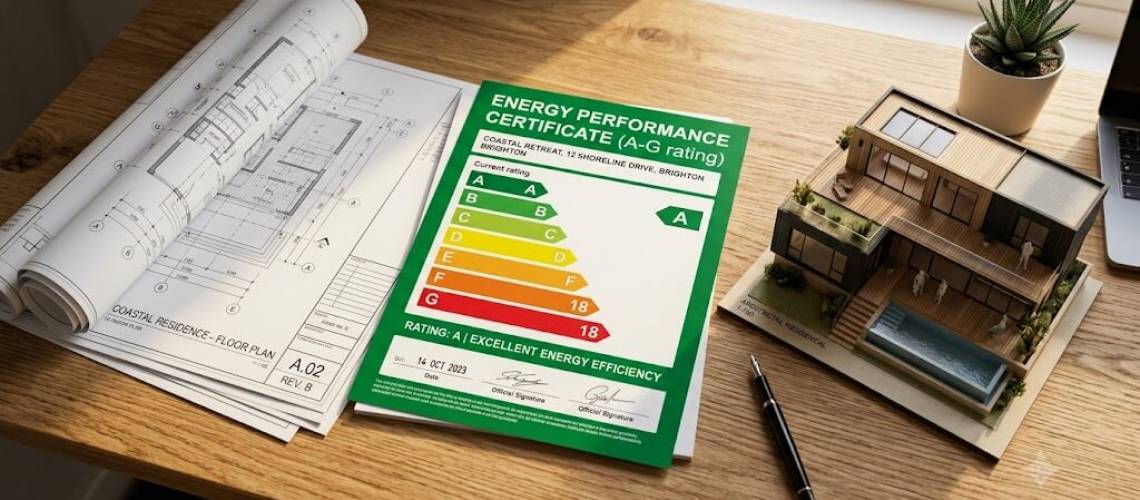
The legislative framework of the real estate market is undergoing significant changes. Upcoming amendments will establish energy certificates as a mandatory document for the sale and rental of most residential properties.
Energy Certificates: Core Changes and Practical Issues
Under the new requirements, energy efficiency ratings must be published directly in property listings. In practice, this initiative faces an administrative hurdle: certificates are typically issued for an entire building, not for individual apartments. When selling units, particularly resale property, owners have to rely on the general documentation of the building. Gathering these records through property management companies requires additional time.
Building Permit Statistics (Q2 2026)
Parallel to regulatory shifts, the pace of starting new projects is adjusting. Data for the second quarter of 2026 shows a decline in issued building permits compared to the first quarter.
-
There is a noticeable drop in both the total number of planned buildings and their combined area.
-
Despite the quarter-over-quarter decline, year-over-year figures still demonstrate positive growth dynamics.
Current statistics indicate that new housing from developer pipelines continues to enter the market, but construction companies are adopting more conservative volume planning.
Impact on the Resort Property Segment
The new documentation rules apply to all types of housing stock. Specifically, property near the sea also falls under mandatory energy certification. Selling these assets now requires obtaining extracts from the building's technical passport in advance.
Auditing technical documentation and processing transactions under the updated rules is managed by Bulgarian Resales, ensuring their property database complies strictly with current regulations.